
History


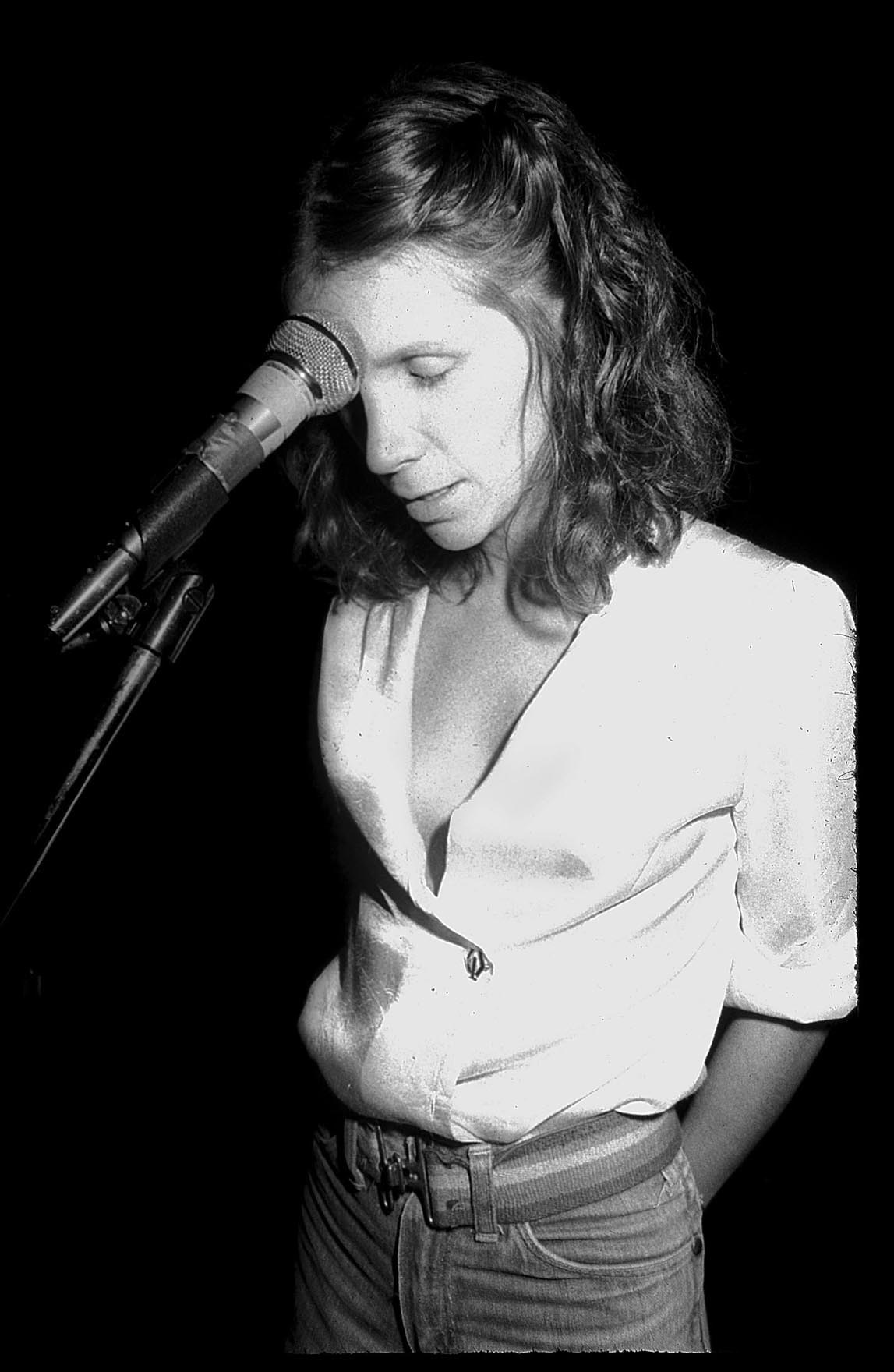
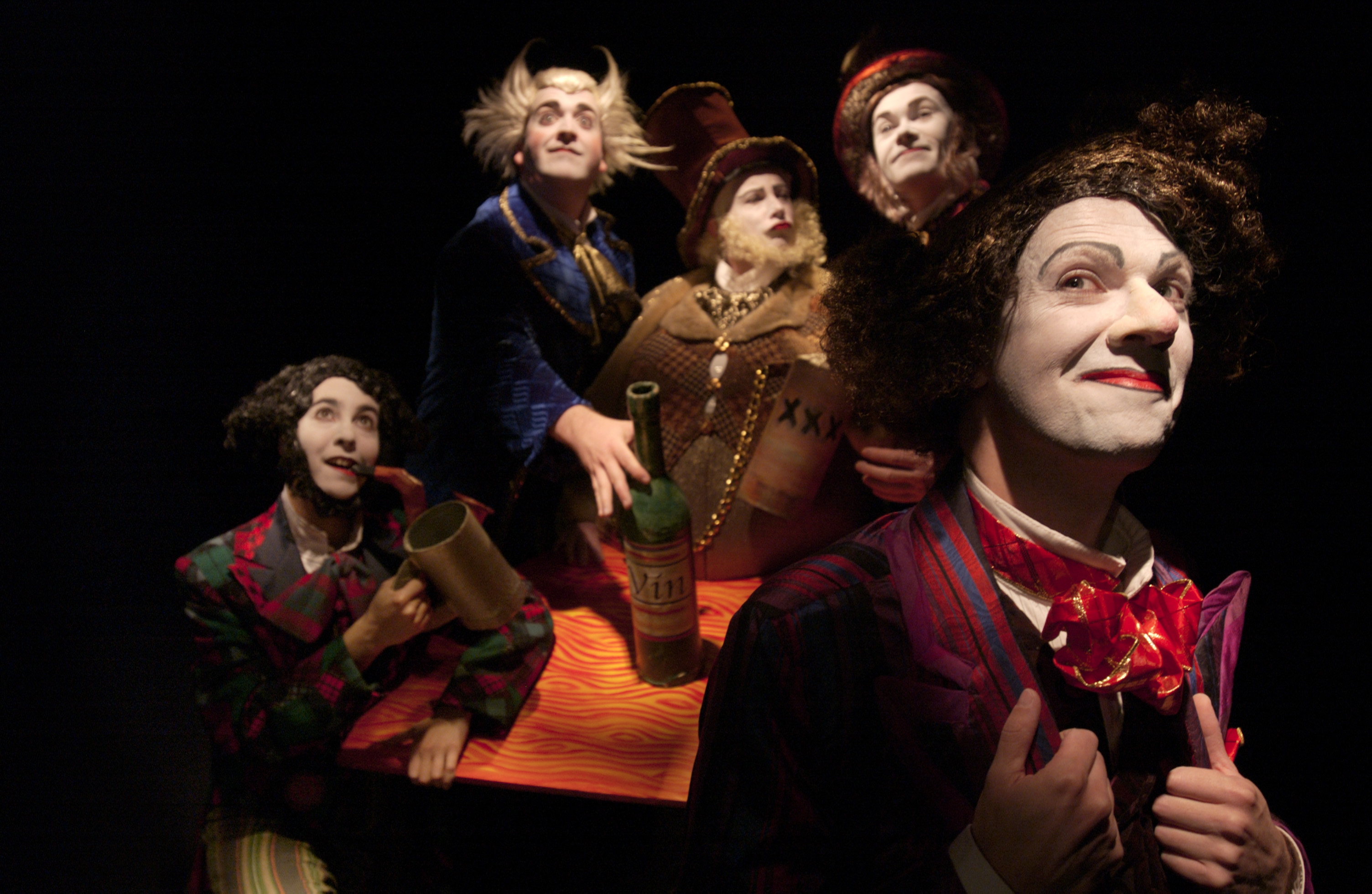
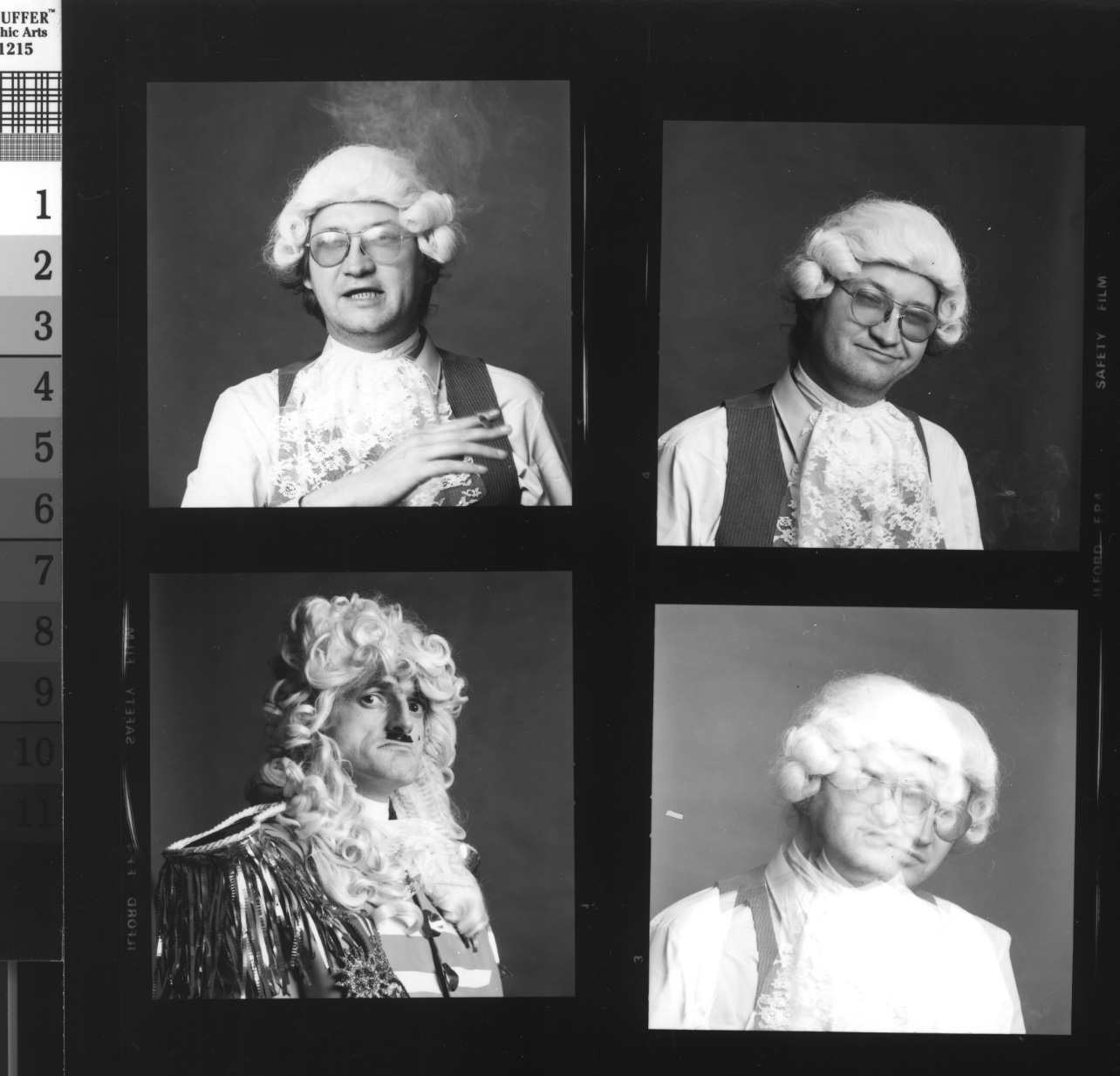
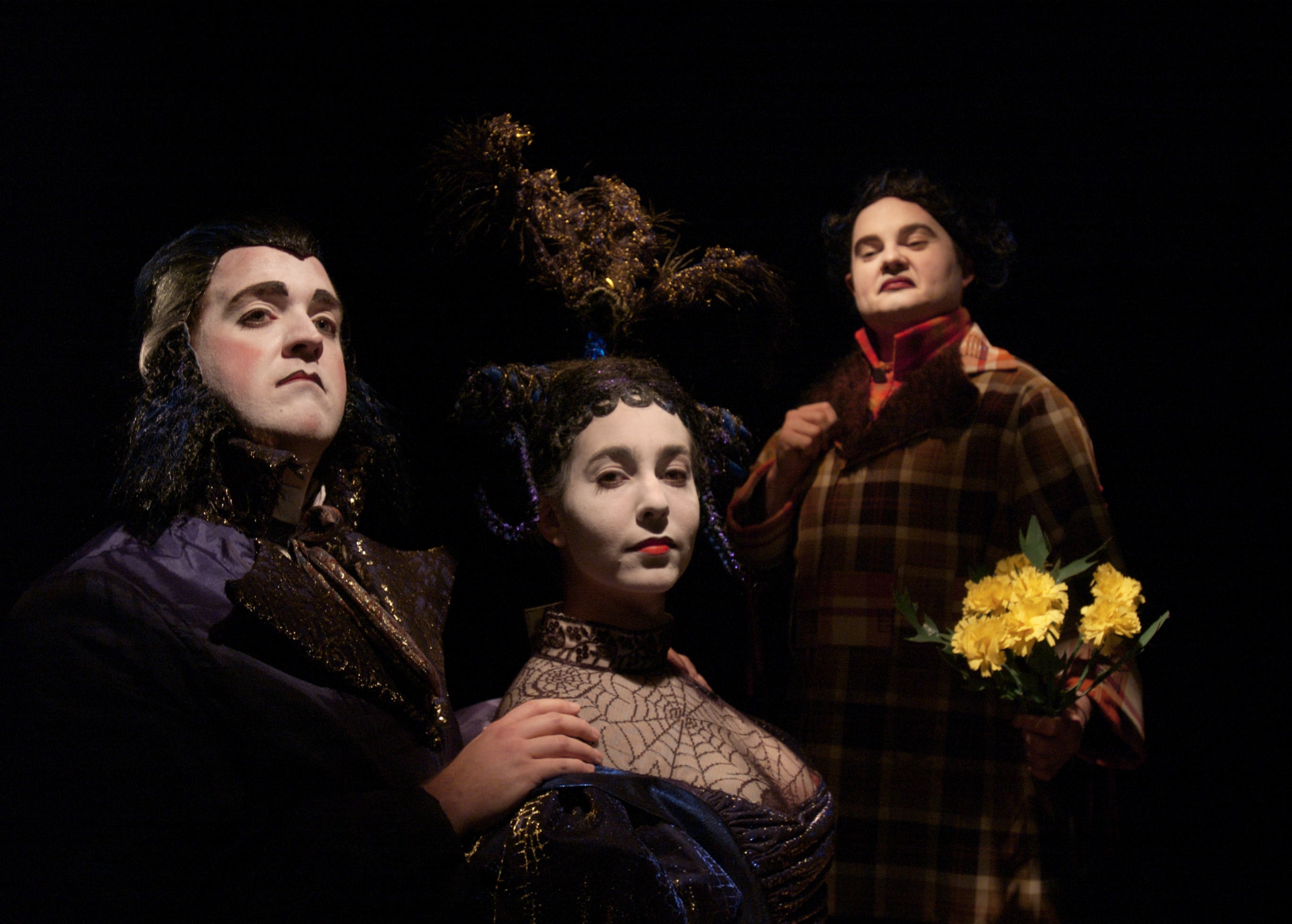

50 years of videocabaret - where we're going and where we've been
VideoCabaret is a 50-year-old Toronto theatre company built from political nerve, formal rebellion, and the belief that Canadian history is not fixed, polite, or past. Since 1976, it has made politically incisive, media-aware Canadian theatre that integrates design from the earliest stages of creation — fusing theatre, live video, installation, rock music, television aesthetics, satire, and civic provocation into a performance language entirely its own.
The company's work interrogates national mythologies, political structures, and media culture through an integrated design aesthetic. It creates new Canadian theatre that is aesthetically rigorous, collaborative, and built through deep exchange between writers, performers, designers, and technicians: high-performance theatre, politically awake, formally adventurous, and alive to the ways culture connects us. That work speaks to now because it was always aimed at now.
ORIGINS
Founded by Michael Hollingsworth, Deanne Taylor, and the Hummer Sisters, VideoCabaret emerged from Toronto's independent art scene as both technically inventive and politically electric — one of the city's singular theatrical inventions.
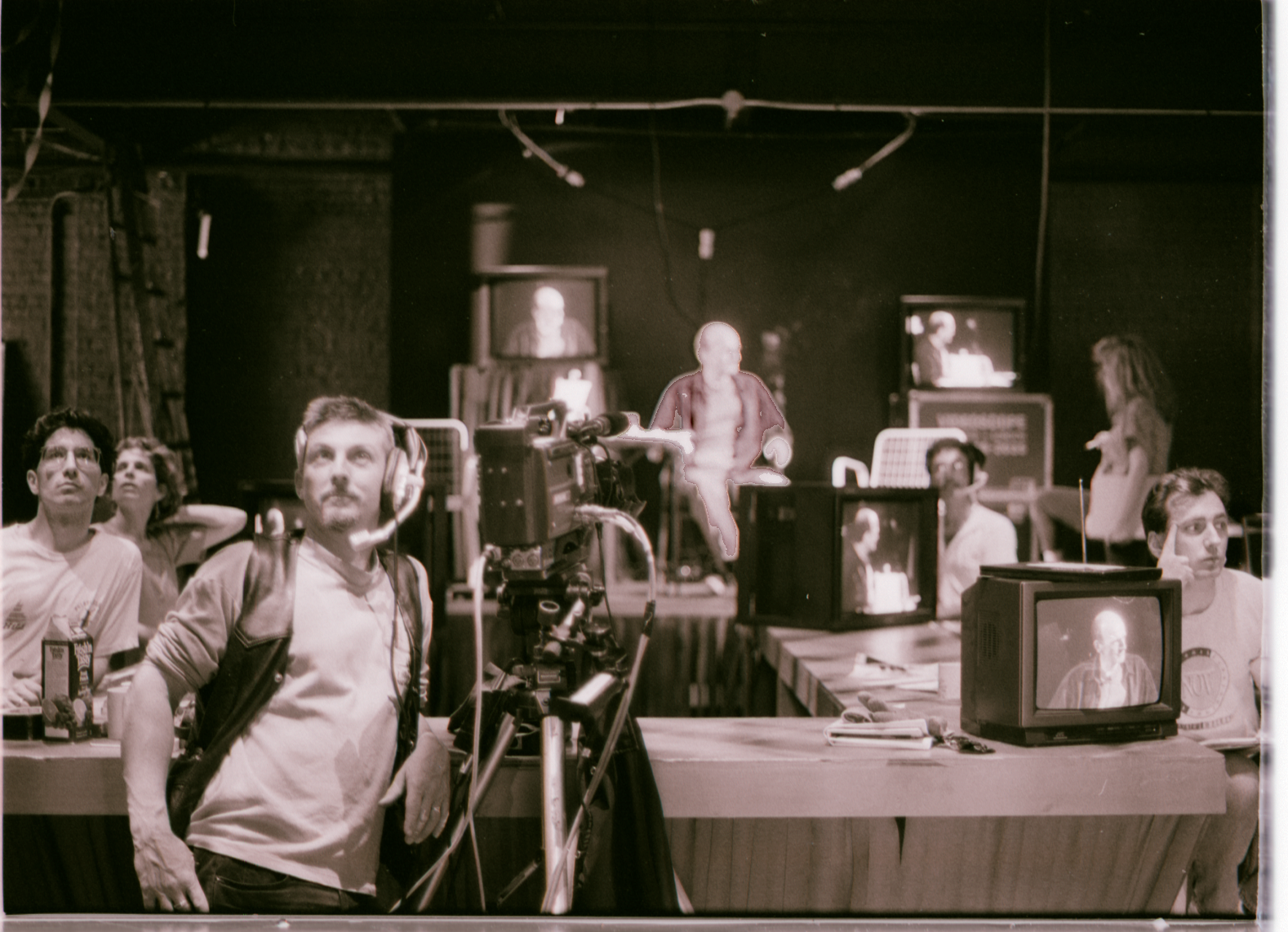
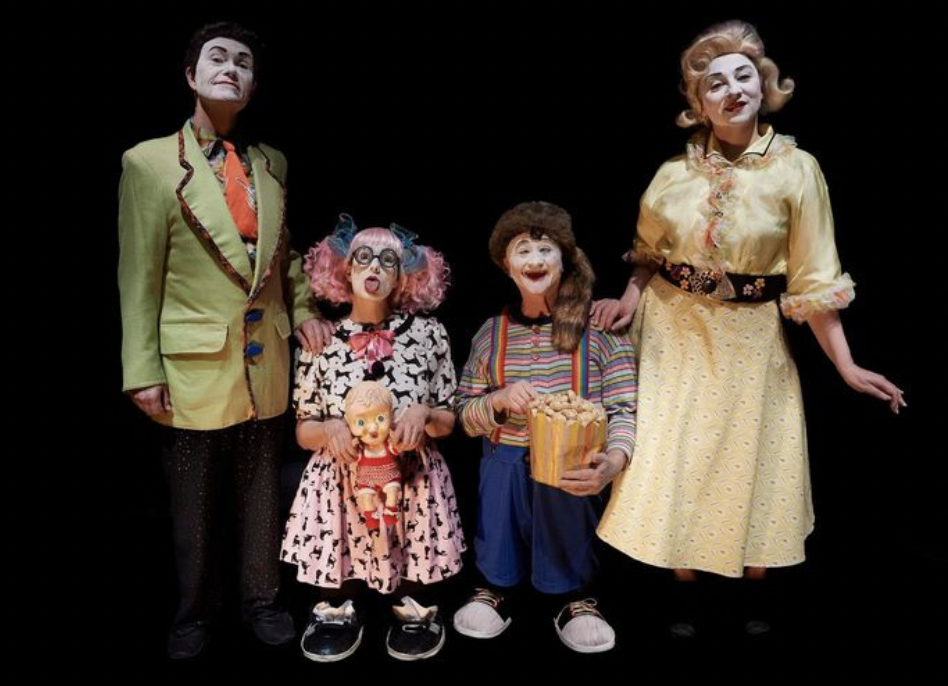
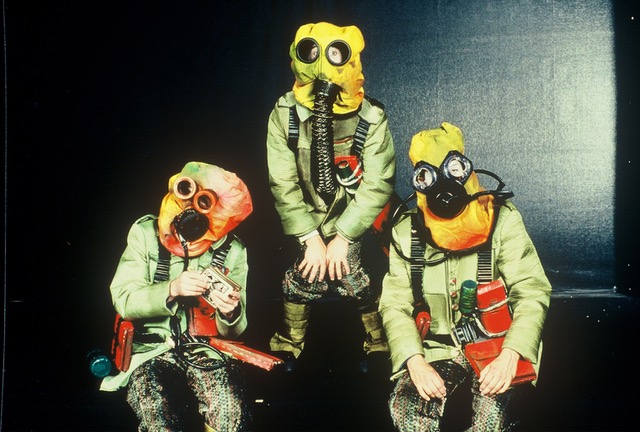
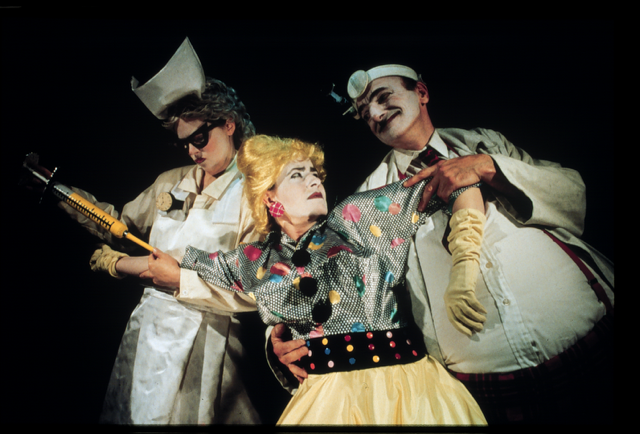
Hollingsworth reinvented canonical works such as Orwell's 1984, Huxley's Brave New World, and Verdi's Rigoletto, while Taylor created new media cabarets that skewered mass media, sexual politics, and civic power. That work drew attention beyond Canada, leading to residencies and presentations in New York and London.
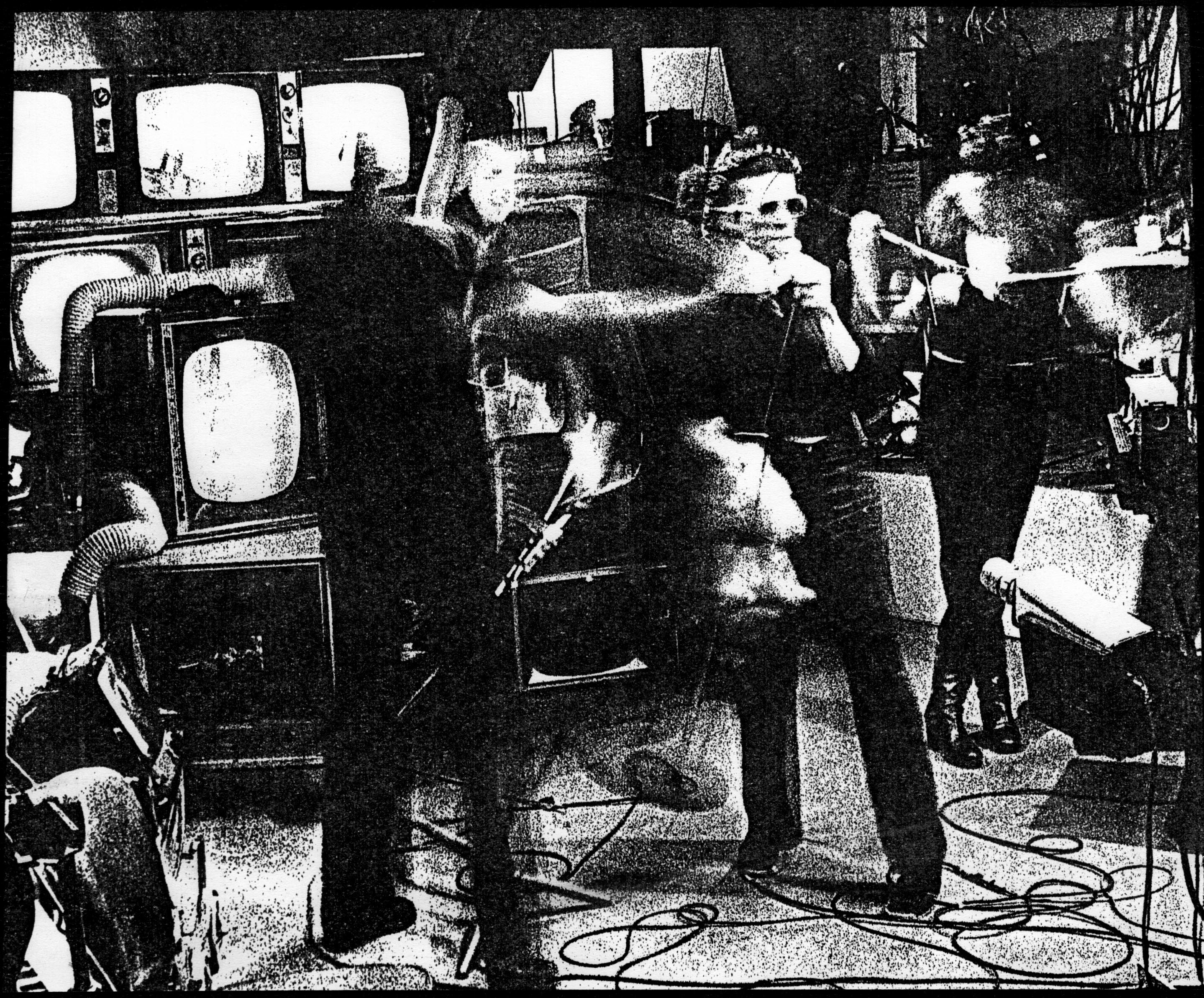
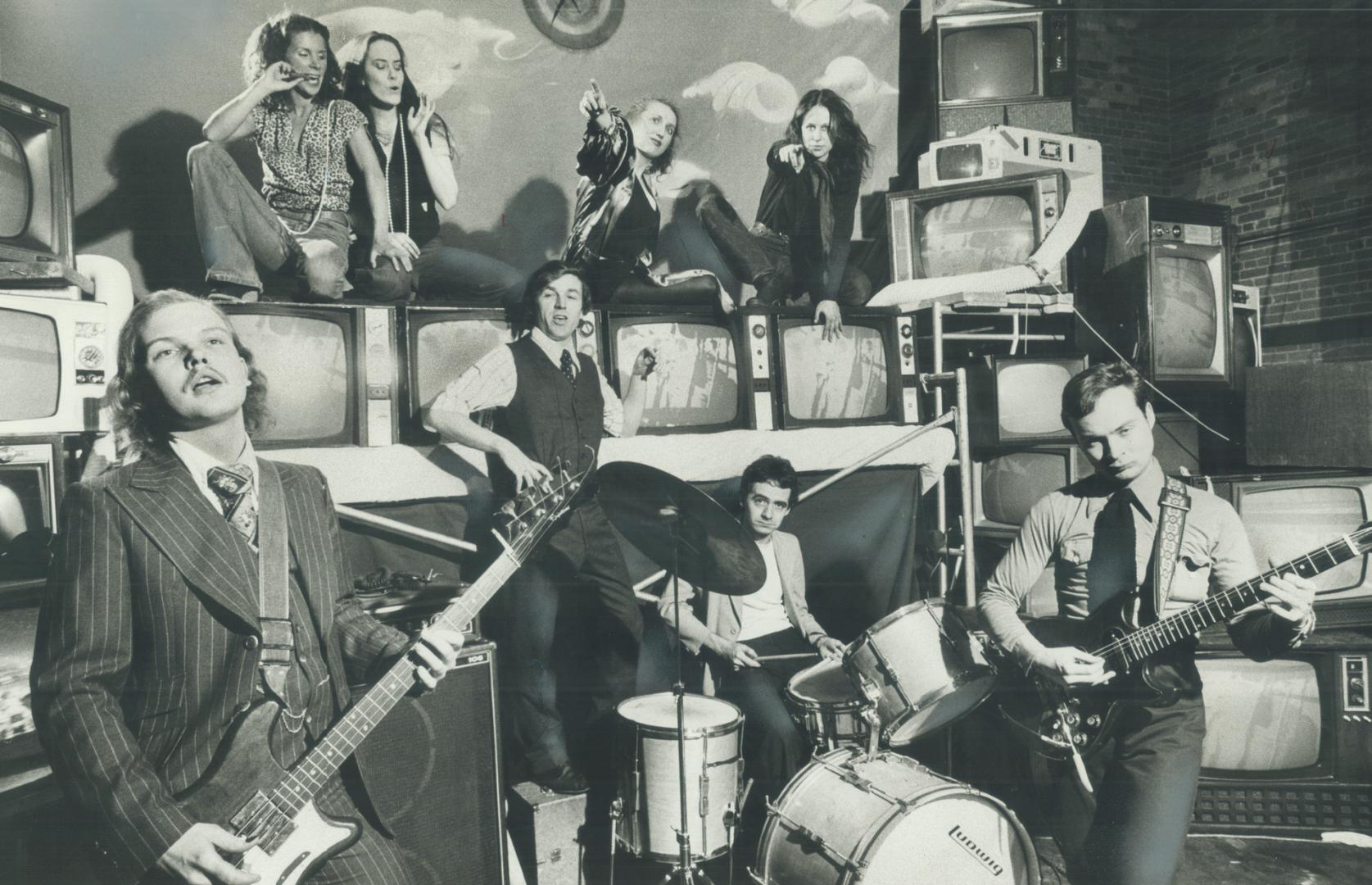
Taylor's imagination was expansive, restless, and deeply civic. Across works such as City for Sale, Where's Fluffy?, and the rock operetta 2nd Nature, she moved between cabaret, media art, satire, street politics, and community celebration, turning performance into public disruption and theatre into a charged social space. Her collaborations with Shadowland Theatre, artists from Trinidad and Tobago, and Toronto's Caribbean and Indigenous communities kept her work porous to the city around it. As a member of the Hummer Sisters, she wrote and performed in Dressed to Kill, The Patty Hearst Show, and the campaign-performance Hummer Sisters for Mayor, which rallied the indie arts community through its ART VS Art challenge to municipal politics.
Hollingsworth was equally unruly. His early plays, including Strawberry Fields and Clear Light, were deemed improper by the era's morality police, drawing theatre raids and censorship. When later work was rejected by fearful artistic directors, a friend handed him a book on Canadian history. It was a revelation — the tormented, psychologically complex characters he had been writing suddenly appeared everywhere in the archive of this country.
THE HISTORY OF THE VILLAGE OF THE SMALL HUTS
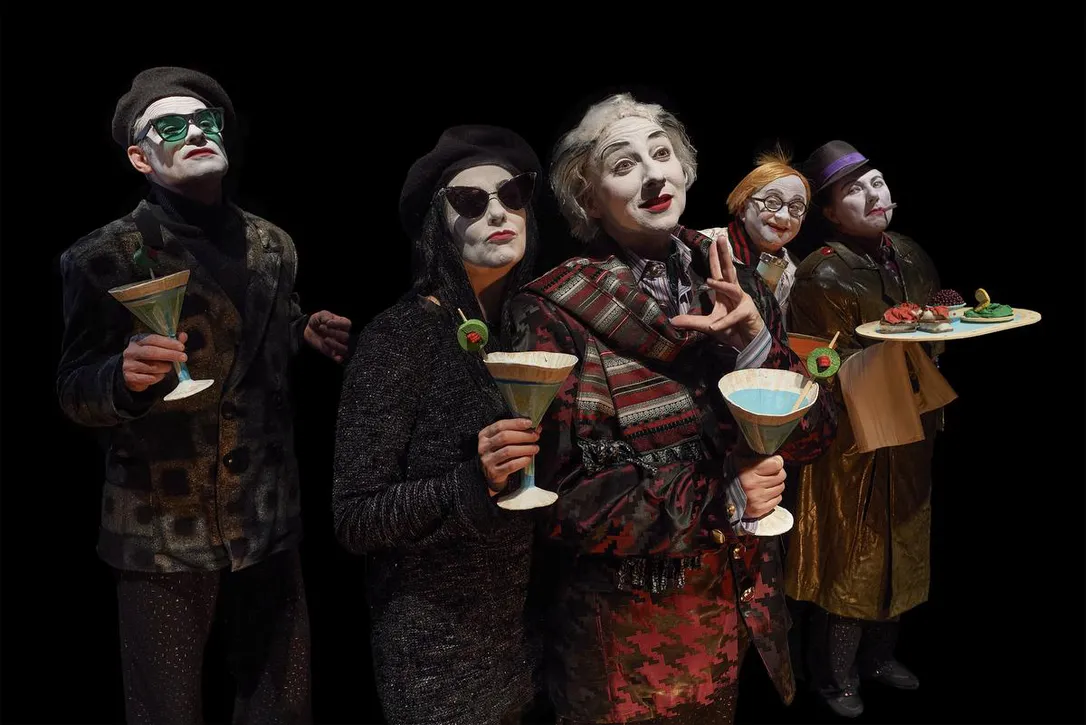
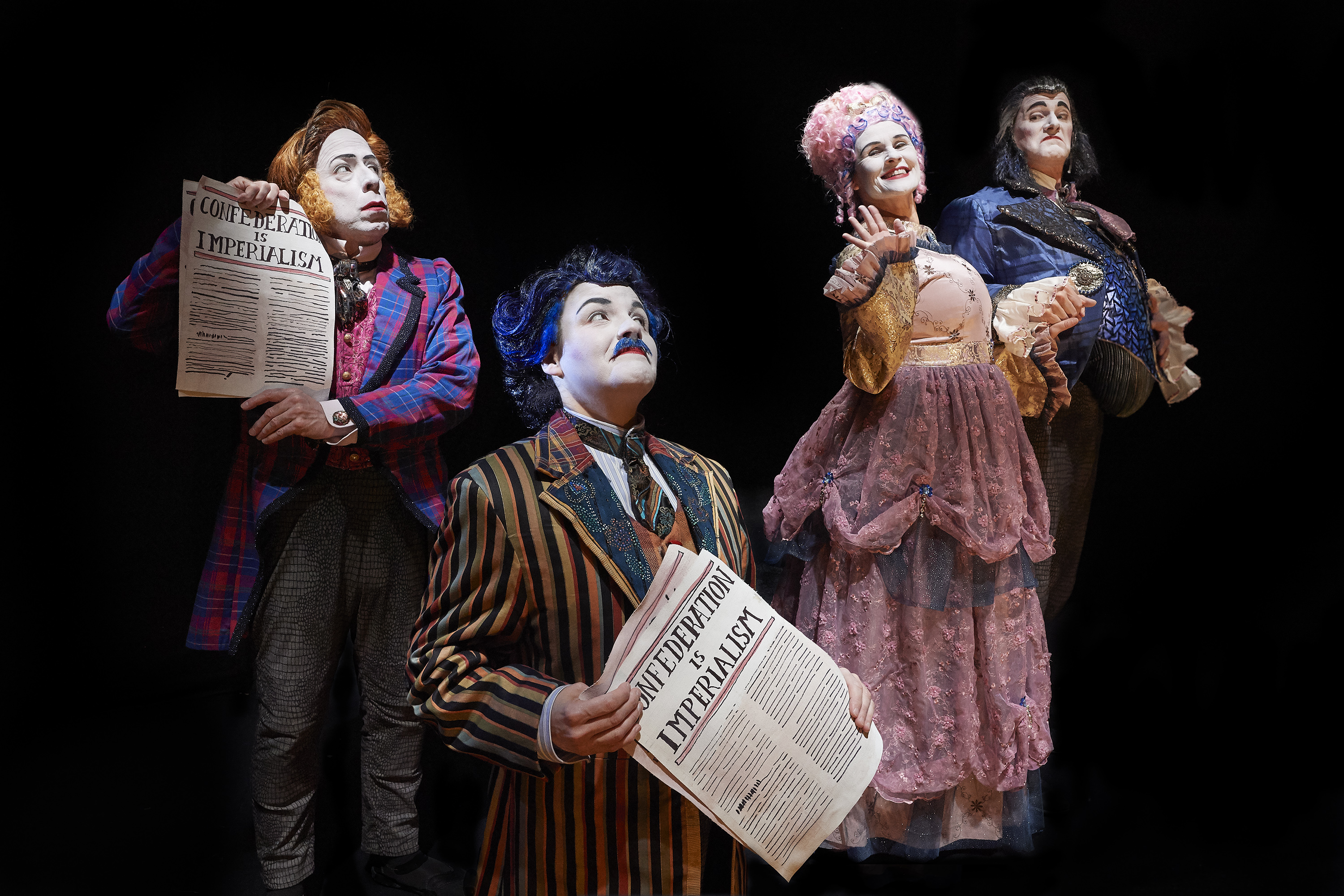
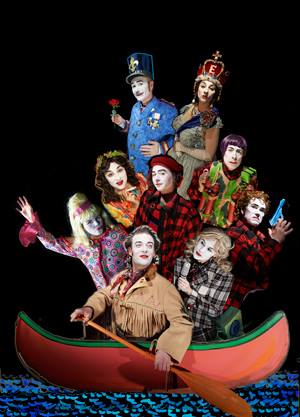
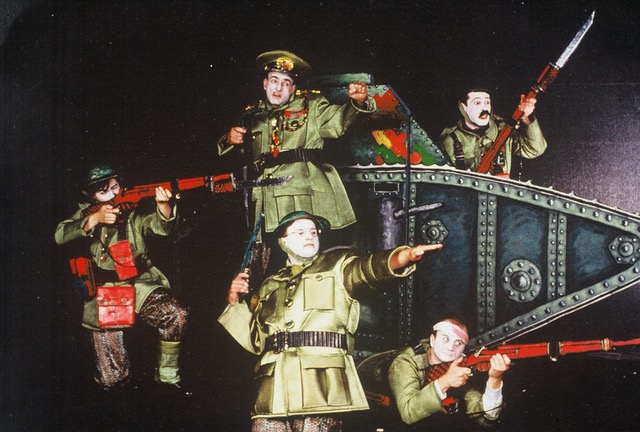
In 1985, Hollingsworth began The History of the Village of the Small Huts, an epic satirical cycle of 21 plays exposing Canada's shameful histories of colonization, corruption, ambition, violence, and denial. The scope demanded a new theatrical machine. How could one tiny stage hold fur trade posts, battlefields, courtrooms, parliaments, settlements, scandals, and ghosts? VideoCabaret answered with its legendary black box: a setless theatre of darkness, speed, precision, and imagination.
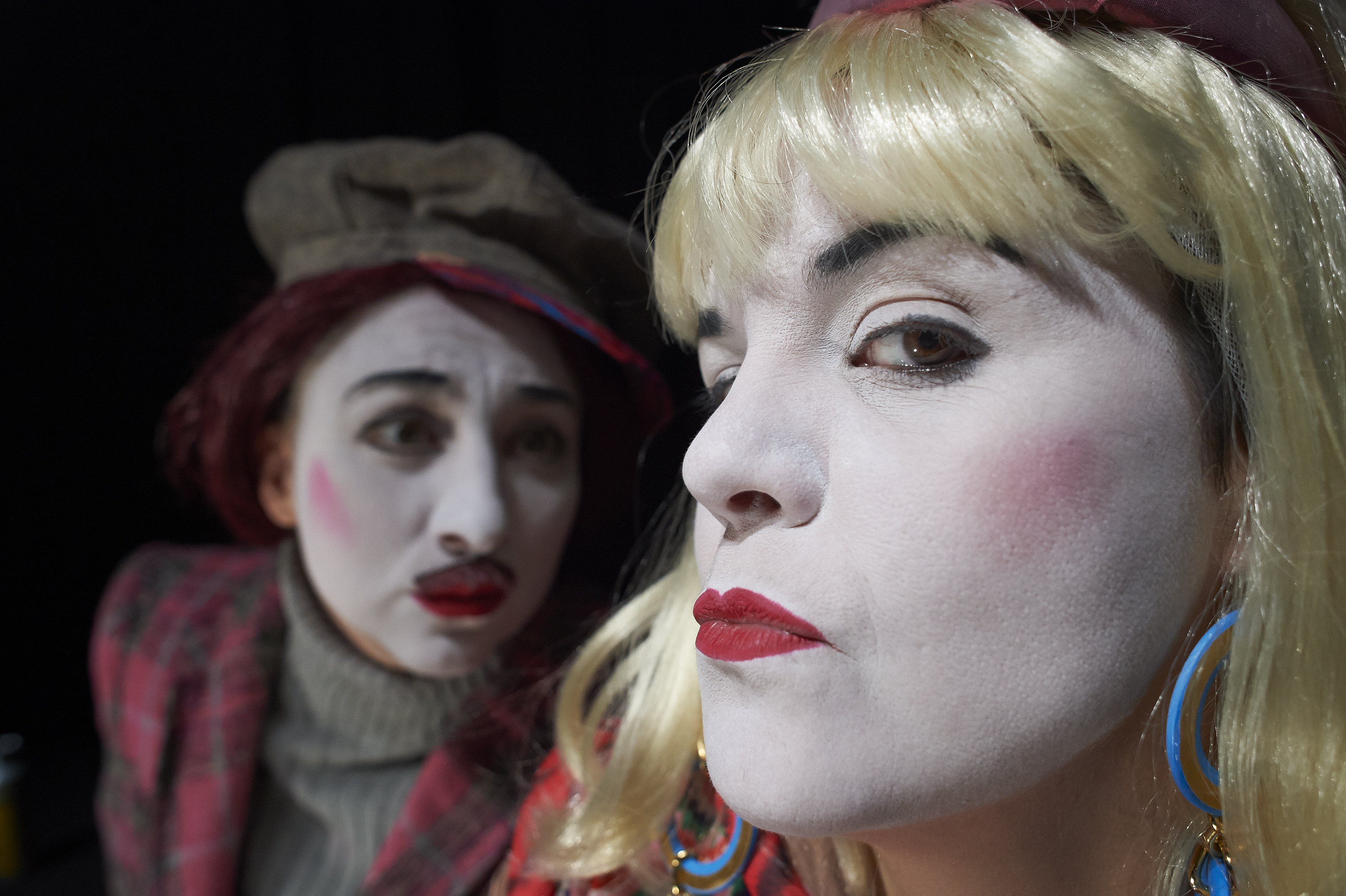
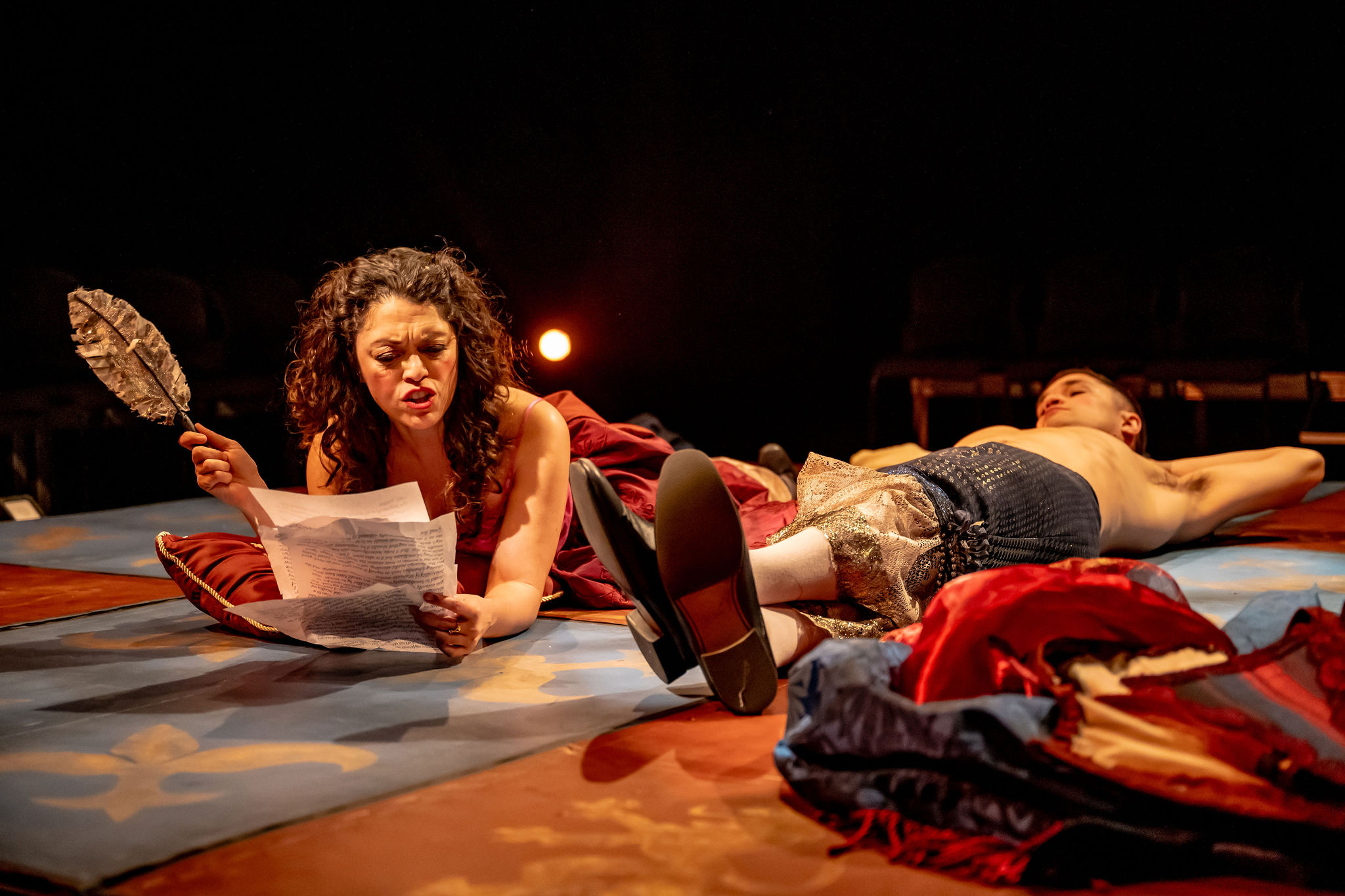
The black box became a void in which history could appear and vanish. Cardboard walls, sharp light, iconic costumes, explosive performance, and rapid-fire scene changes conjured Canada as cartoon, nightmare, vaudeville, and confession — the audience completing the image in their own minds. The form was lean, rigorous, funny, brutal, and unmistakable: design as dramaturgy, not decoration. With visionary designers including Astrid Janson, Jim Plaxton, Alice Norton, Brad Harley, Andy Moro, and others, VideoCabaret created a performance style unique in the world.
It was not an easy conversion: when the box was new, in the backspace of Theatre Passe Muraille, the actors had no performance language for it and refused to work inside it, until Jim Plaxton, Deanne Taylor, and Michael Hollingsworth went into the box themselves and showed how it worked. Its ensemble, among them Graham Greene, Gary Farmer, Janet Burke, Aurora Browne, Michaela Washburn, Craig Lauzon, Paul Braunstein, Jonathan Fisher, and Billy Merasty, gave that style its speed and nerve.
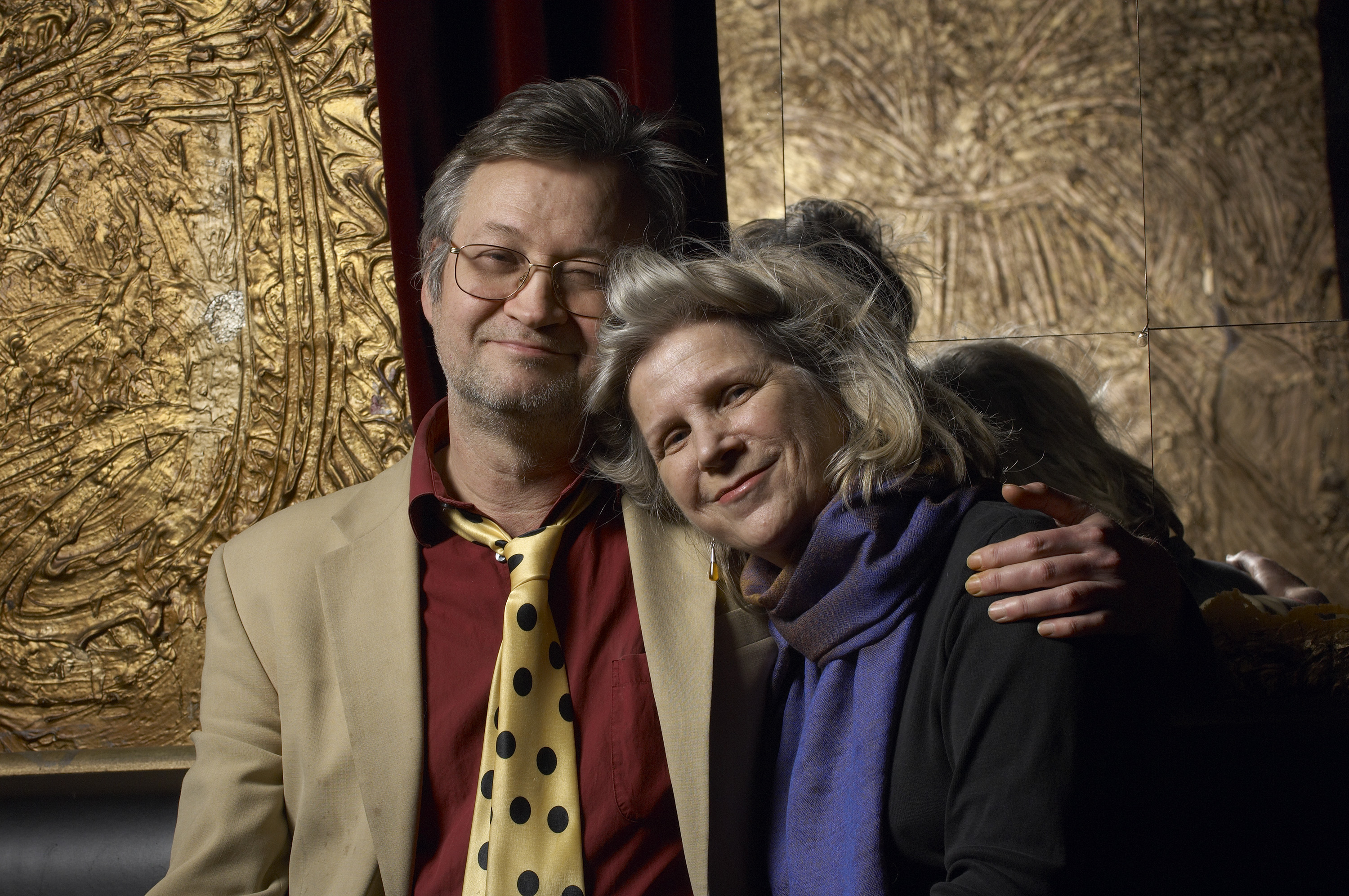
For decades, Taylor and Hollingsworth lived in the penthouse of the iconic Cameron rooming house and turned the backroom of the bar and music club into a tiny 50-seat theatre, their cardboard box vanishing after each performance to reveal an impossibly small stage shared with indie bands.
From that room, VideoCabaret built a national theatrical language. Beginning with Donnacona, set after the founding of the Haudenosaunee Confederacy and just before French colonial contact, and running through The Life & Times of Brian Mulroney in 1999, its plays exposed, ridiculed, and mourned the powerful and powerless who shaped Canada — everything official history flattens: scandal, sacrifice, opportunism, resistance, betrayal, survival, and the machinery of nation-building.
A HOME OF ITS OWN
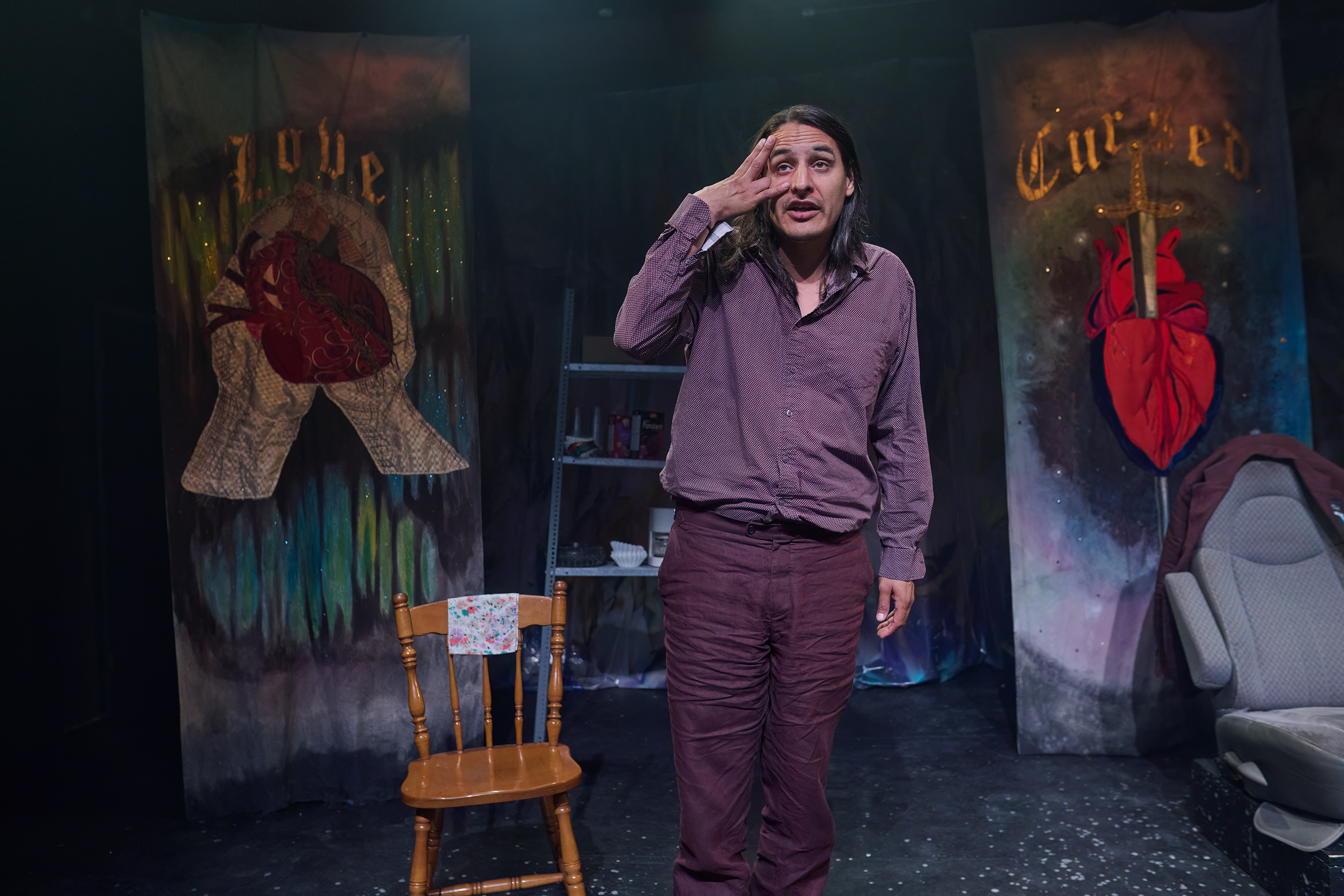
From 2000 onward, VideoCabaret remounted and refined the form it had invented, earning awards and touring to major platforms including the Stratford Festival, Magnetic North, and Soulpepper Theatre, where the company held a residency. In 2019, it opened its own theatre at 10 Busy Street in Toronto's east end with Too Good to Be True, written and directed by playwright-in-residence Cliff Cardinal, recipient of the Governor General's Literary Award.
Now, the Deanne Taylor Theatre, is central to the company's next era. As VideoCabaret approaches its 50th anniversary celebration in 2027, it does so not as a company preserving legacy in amber, but as one activating its history toward a more expansive future.
RENEWAL
Under the Artistic Direction of multi-award-winning director/scenographer Andy Moro whose decades with the company helped define its aesthetic, and supported by an Artistic Advisory Council including Astrid Janson, Marni Jackson, Layne Coleman and Janet Burke, along with the Board of Directors, the company is re-articulating its mandate as a residency-based creation hub rooted in design-led development, civic engagement, and bold Canadian storytelling.
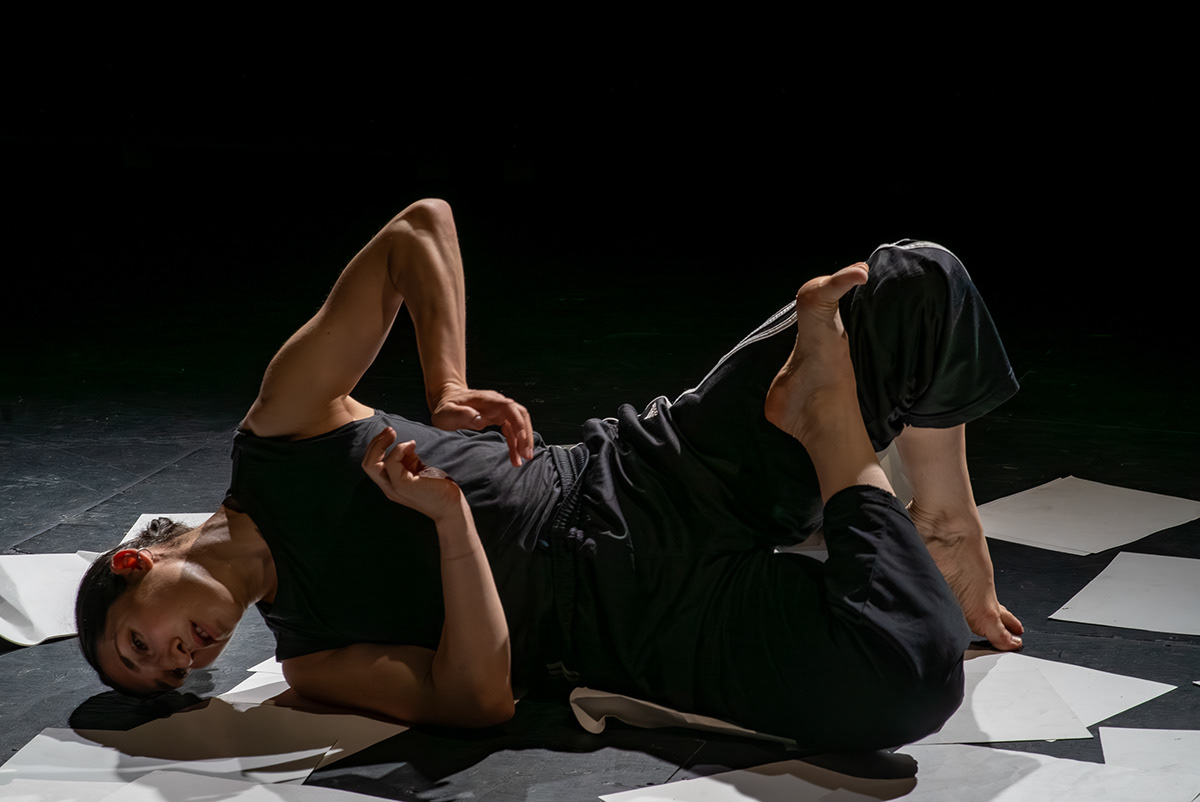
VideoCabaret's ethos is creation through collision: text with image, politics with comedy, history with myth, rigour with mischief, technology with the live body. Its future grows from the same fire: formally daring, politically alive, culturally expansive, and ready to make new trouble.